Football Throw-In Routines: 5 Plays to Keep Possession
Quick answer: Pick the throw-in routine by pitch zone, not by habit. Play out in your own third, scissor and switch in the middle…
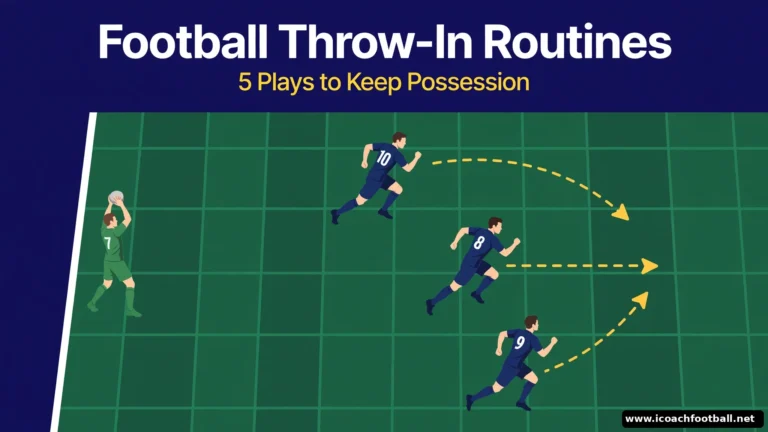
Quick answer: Pick the throw-in routine by pitch zone, not by habit. Play out in your own third, scissor and switch in the middle…
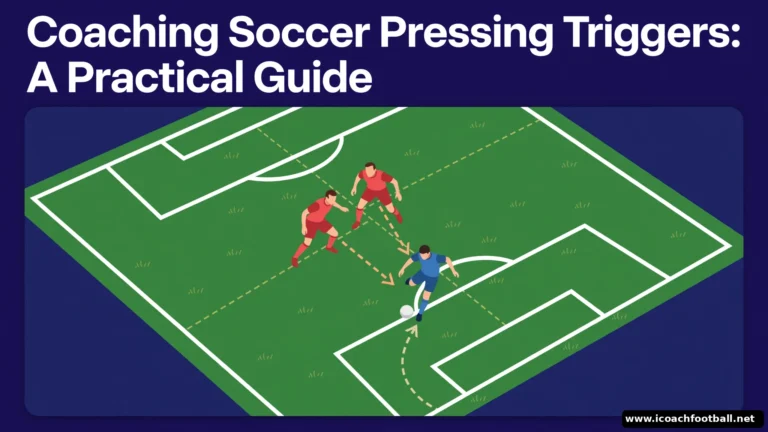
Quick answer: A pressing trigger is the shared signal that tells the whole team to press at once. Teach two or three triggers —…
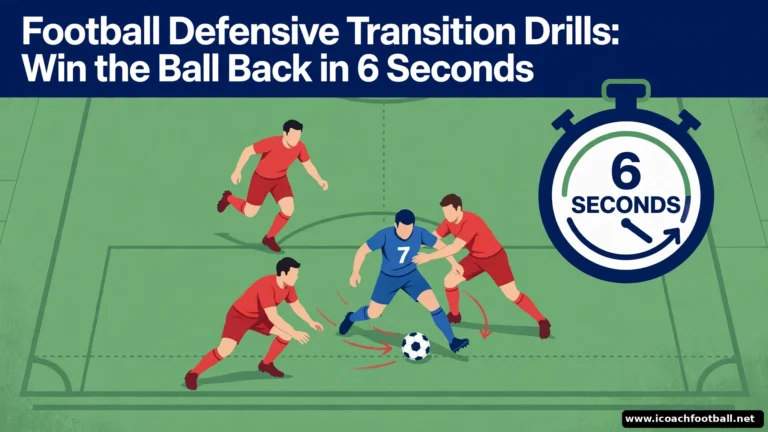
Quick answer: The first 6 seconds after losing the ball decide the counter-attack. Press at once when you are close and in numbers; drop…
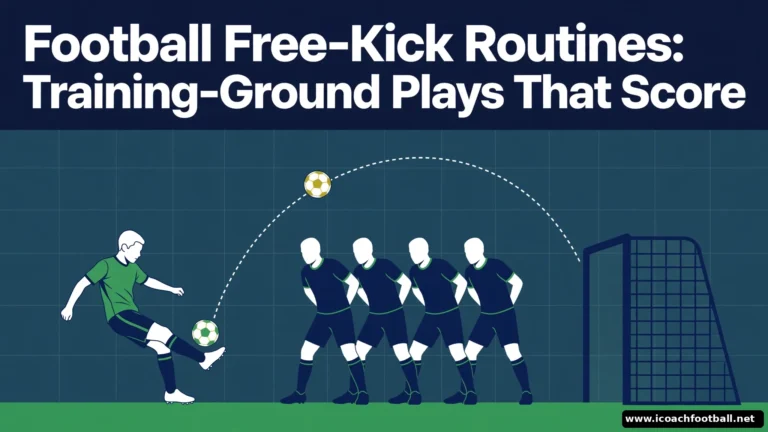
Quick answer: Give every free kick one named routine, one signal and one taker. Start with a direct strike, a layoff and a wide…
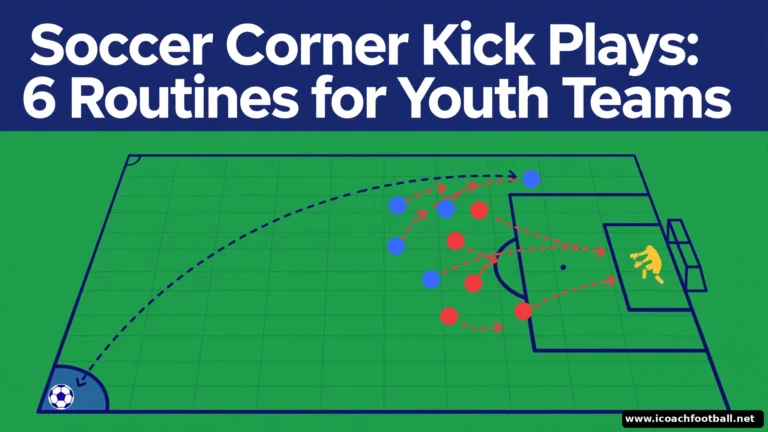
Quick answer: Pick three corner routines, give each one signal, and practise them until the runs happen without thinking. Start with the near-post flick,…
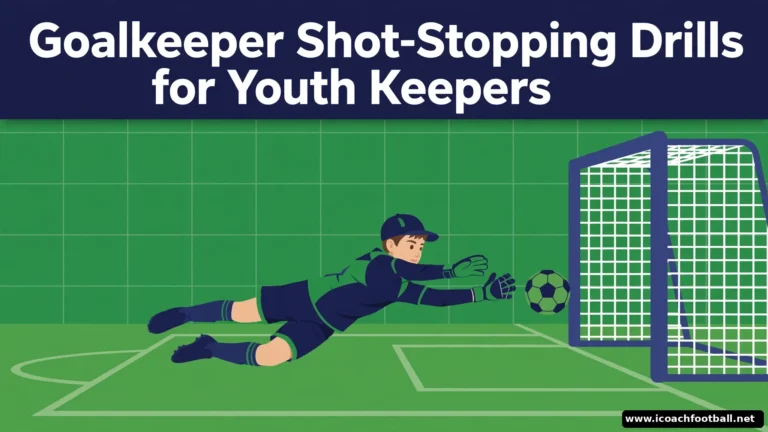
A youth goalkeeper does not become a good shot-stopper by facing more shots. They become one by facing the right shots, in the right…

Most players do not have a weak foot problem. They have a weak foot habit. Given a split second, they take an extra touch,…
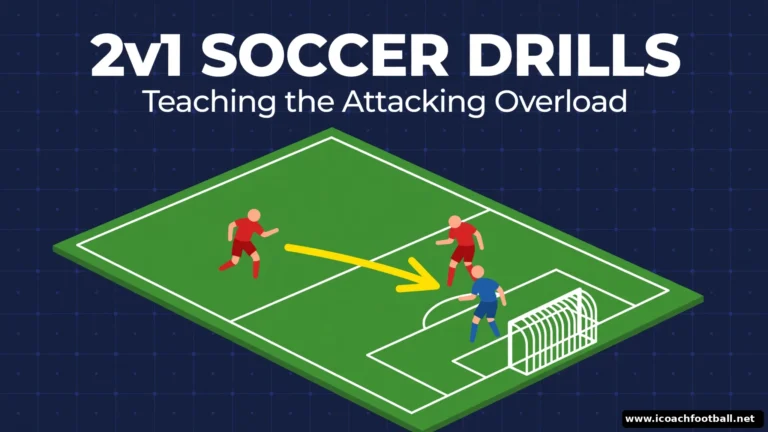
A 2v1 should be the easiest chance in soccer. Two attackers against one defender, all that space, and still the attack dies: the ball…
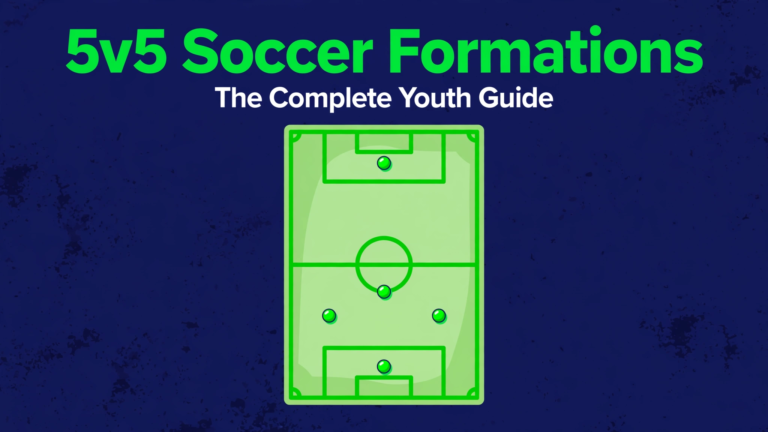
Intro Most youth coaches pick a 5v5 soccer formation the way they pick a lineup: they copy what looks tidy on a whiteboard, then…
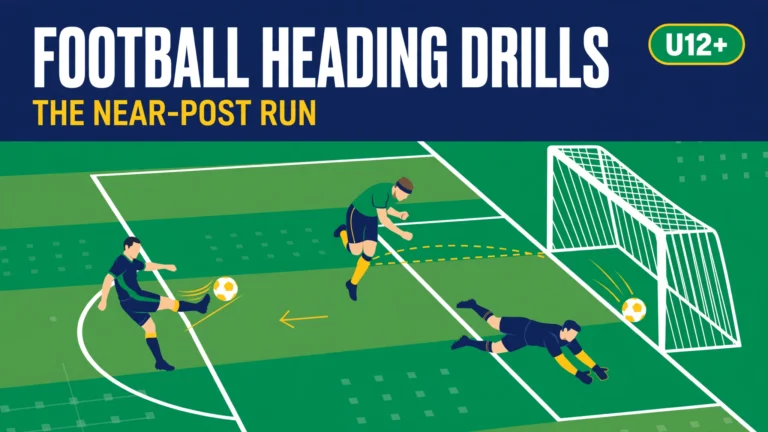
“The Flinch” is the most frustrating sight in youth football. Your winger delivers a perfect cross, your striker arrives at the near post —…

A team can have 30 or more throw-ins in a single match, yet most youth and amateur teams treat them as a free giveaway….
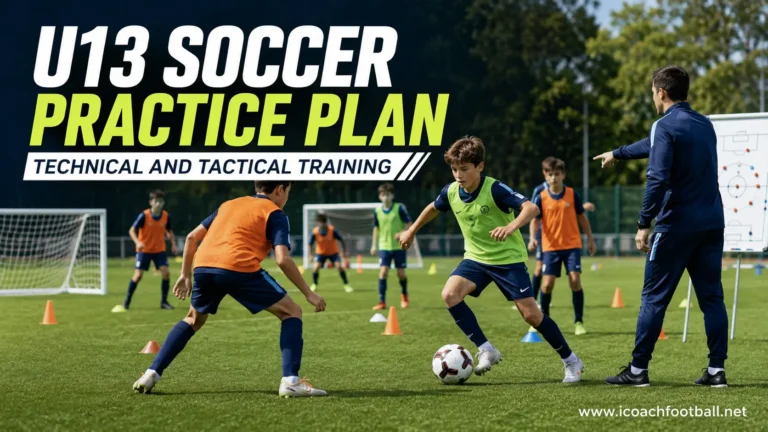
Quick answer: A U13 practice should progress from technical activation into positional and tactical game problems. Use third-player passing, a positional rondo, build-up against…
End of content
End of content
