Soccer Practice With Only One Ball: Complete 60-Minute Session

Quick answer: When only one soccer ball is available, organize continuous pass-and-follow exercises, rondos, possession games, end-zone activities and transition matches. Keep the ball inside a clearly marked area, use immediate restarts and make the player who sends the ball out retrieve it quickly.
One usable ball is enough to deliver a complete and competitive soccer practice. The coach simply needs activities that keep the entire group moving while avoiding long lines, repeated ball searches and unnecessary interruptions.
This complete 60-minute session is designed for approximately 8–12 players using only one ball. Every exercise develops skills that appear in the real game, including passing, receiving, scanning, possession, pressing, supporting movement and transitions.
The plan progresses from unopposed passing into rondos, directional possession and competitive small-sided games. Mini goals are helpful but not essential because cone gates and end zones can be used instead.
Before starting, inspect the ball and make sure it is correctly inflated. Keep the playing areas away from fences, roads, water or other places where the only ball could become difficult to retrieve.
For sessions with other equipment limitations, use our soccer practice without goals or our practice without a goalkeeper. Coaches working in restricted areas can also use these soccer drills for small spaces.
Equipment and Setup
PlayersApproximately 8–12 players
Soccer ballsOne ball
Session duration60 minutes
Recommended agesU9 to senior
Maximum area38 × 28 yards
Other equipmentCones, bibs and mini goals or cone gates
Complete 60-Minute Soccer Practice With One Ball
| Time | Activity | Main objective |
|---|---|---|
| 0–7 minutes | Circle Pass, Follow and Move | Activation, passing and awareness |
| 7–14 minutes | Four-Corner Combination Circuit | Receiving, wall passes and movement |
| 14–22 minutes | 5v2 One-Ball Rondo | Possession, scanning and pressing |
| 22–30 minutes | 4v4 Plus Two Neutral Players | Support angles and ball retention |
| 30–38 minutes | 4v4 End-Zone Possession Game | Forward passing and timed movement |
| 38–46 minutes | Continuous 3v2 Transition Game | Overloads and reactions after turnovers |
| 46–53 minutes | 4v4 Four-Gate Transition Game | Switching play and counterattacking |
| 53–60 minutes | 5v5 One-Ball Match | Game understanding and competition |
How to Keep a One-Ball Practice Moving
- Mark clear boundaries: Keep the playing areas far enough from hazards so the ball can be retrieved quickly.
- Use the player-retrieval rule: The player who sends the ball outside the area immediately retrieves it while the others reset.
- Keep explanations brief: Explain the objective, demonstrate one example and allow players to learn through the activity.
- Prepare the next organization early: Move cones during water breaks rather than allowing long transitions between drills.
- Avoid shooting from excessive distances: Use narrow gates, end zones or close-range mini goals to reduce missed balls.
- Protect the only ball: Do not place water bottles, bags or other equipment where they could damage it.
The Football Association recommends carefully planning explanations, transitions and interventions to increase the amount of time players spend actively playing. Read the FA’s guidance on increasing ball rolling time.
Drill 1: Circle Pass, Follow and Move
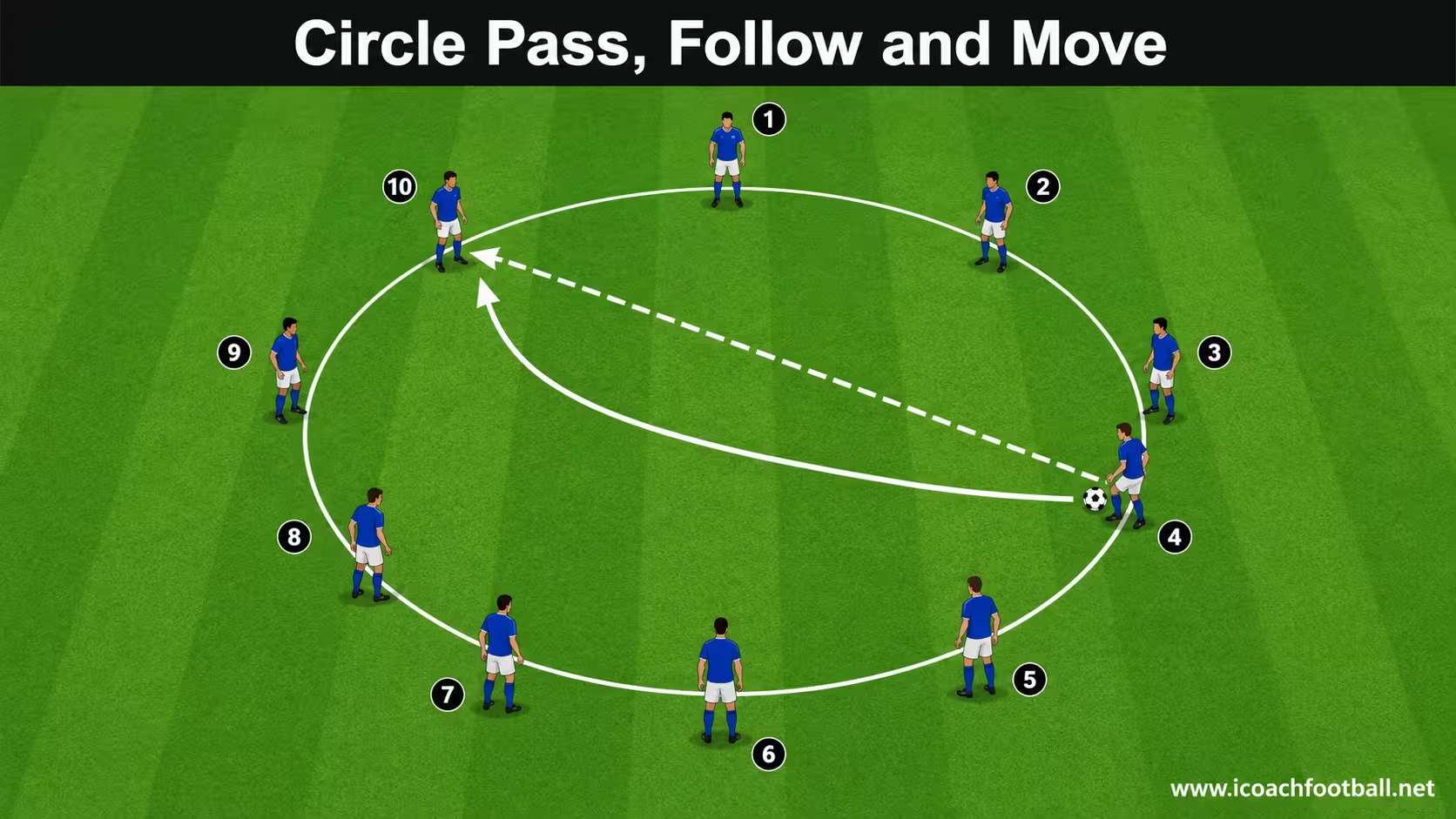
This moving warm-up uses one ball for the entire group. Players pass across or around the circle and immediately move to a new position, keeping everyone physically and mentally involved.
Setup
- Create a circle approximately 16–20 yards across.
- Position all players evenly around the outside.
- Use one player and one ball to begin the activity.
- Leave the central area open.
- Increase the circle for younger or less experienced players.
How to Play
- The first player passes to any teammate across the circle.
- After passing, the player runs through the centre and takes the receiver’s position.
- The receiving player takes a first touch and finds a different teammate.
- Players cannot immediately return the ball to the previous passer.
- Encourage the ball to travel through different parts of the circle.
- Continue for short rounds of 45–60 seconds.
Coach’s note: Players should scan before receiving and know their next passing option early. The pass should travel with enough pace to reach the teammate without forcing a difficult first touch.
Progressions: Limit players to two touches, require a first-time pass, add a wall pass through the centre or require the passer to exchange positions with a player other than the receiver.
Drill 2: Four-Corner Combination Circuit
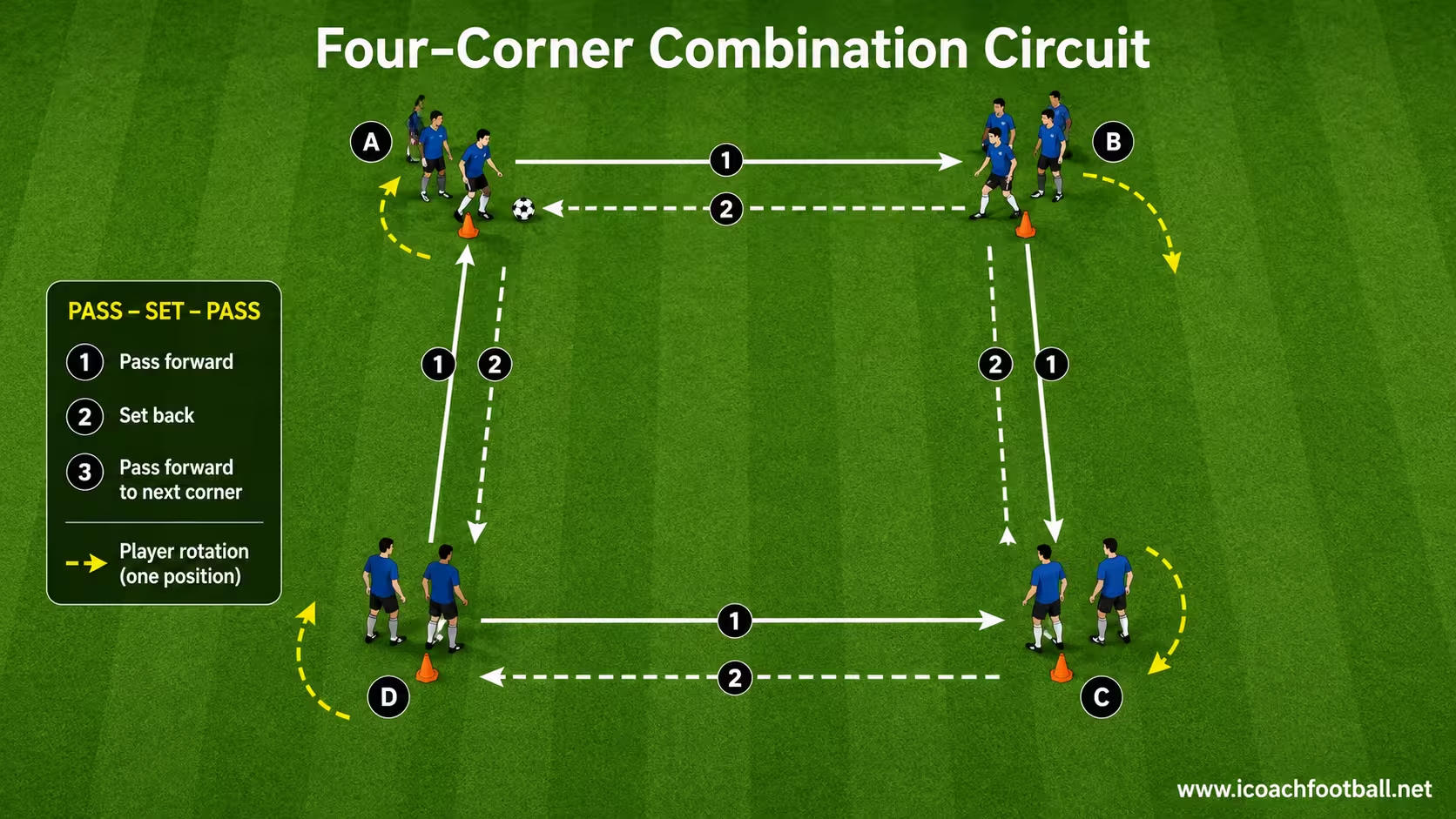
This passing pattern uses one ball in a continuous circuit. Players practise passing, receiving on the back foot, setting the ball and moving immediately after each action.
Setup
- Create a square measuring approximately 14 × 14 yards.
- Place two or three players behind each corner cone.
- Begin with one ball at the first corner.
- Position the first player from each group near the cone.
- Keep the central area open for combination movements.
How to Play
- Player A passes to player B at the next corner.
- Player B sets the ball back toward player A.
- Player A passes forward to player C at the following corner.
- Player A moves into player B’s position.
- Player B follows the ball toward player C’s corner.
- The same pattern continues around the square.
- Change direction after approximately two minutes.
Coach’s note: The set pass must travel into the supporting player’s path. Encourage players to adjust their starting position and communicate before the ball arrives.
Progressions: Require one-touch combinations, add an overlap, introduce a disguised set pass or allow the receiver to reverse the direction of the circuit.
For more passing patterns, use our Y passing drills and third-player movements.
Drill 3: 5v2 One-Ball Rondo
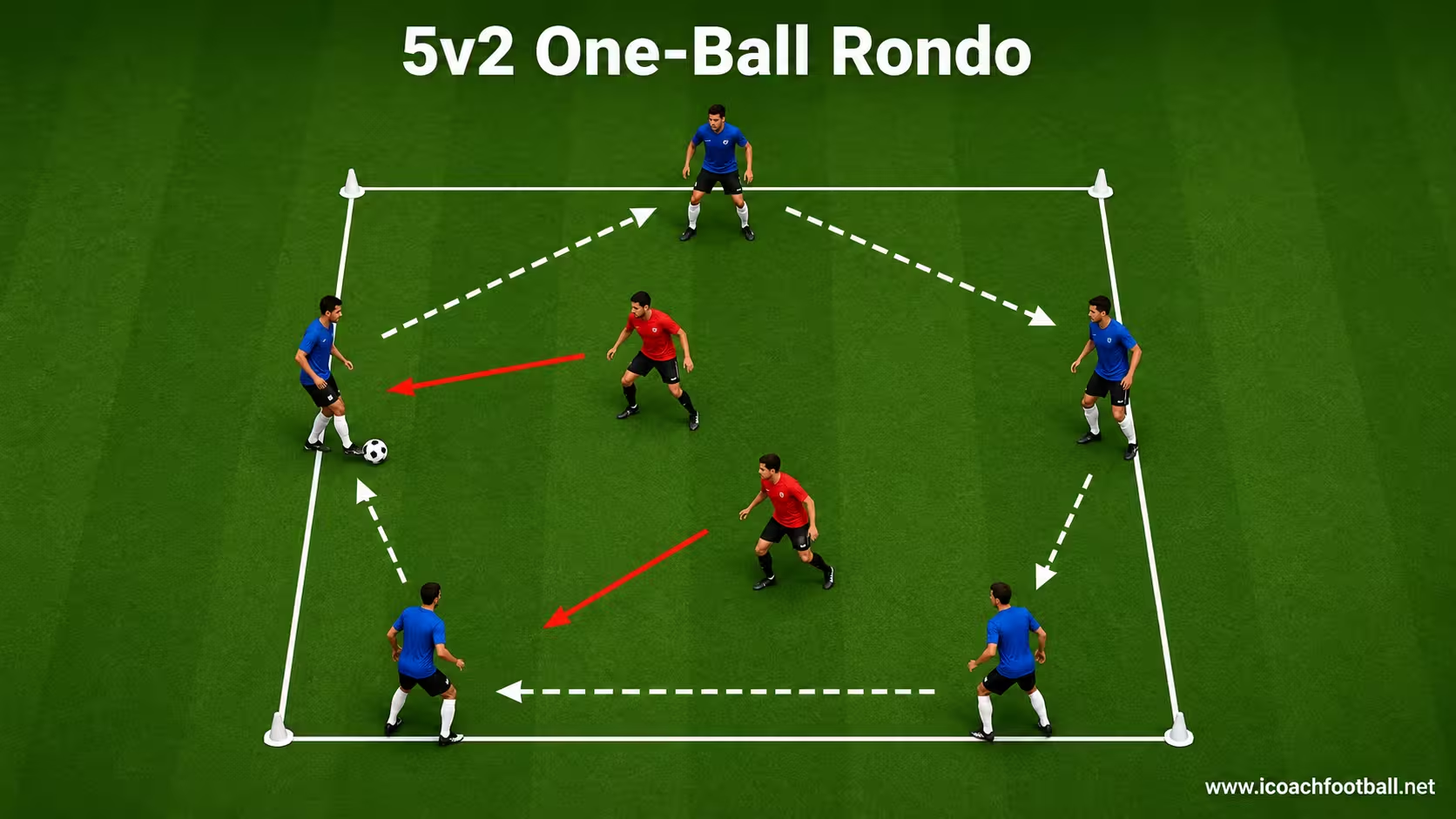
The rondo keeps seven players continuously involved around one ball. Players outside the activity can become rotating targets, coaches or immediate replacements when working with a larger group.
Setup
- Create a 14 × 14-yard square.
- Use five possession players and two defenders.
- Position possession players around the outside and allow movement along the edges.
- Place the only ball inside the area to begin.
- Use a slightly larger square for younger players.
How to Play
- The five outside players maintain possession against two defenders.
- Six consecutive passes earn one point.
- A pass between the two defenders earns a bonus point.
- When a defender wins possession, the attacker responsible for losing the ball enters the middle.
- The defender who has worked longest moves to the outside.
- If the ball leaves the area, the responsible player retrieves it immediately.
Coach’s note: Outside players should adjust their position after every pass. The two defenders must communicate and press together rather than chasing independently.
Progressions: Limit attackers to two touches, reduce the square, require a one-touch split pass or allow one possession player to operate inside the area.
Continue developing positional possession with our advanced soccer rondo blueprint.
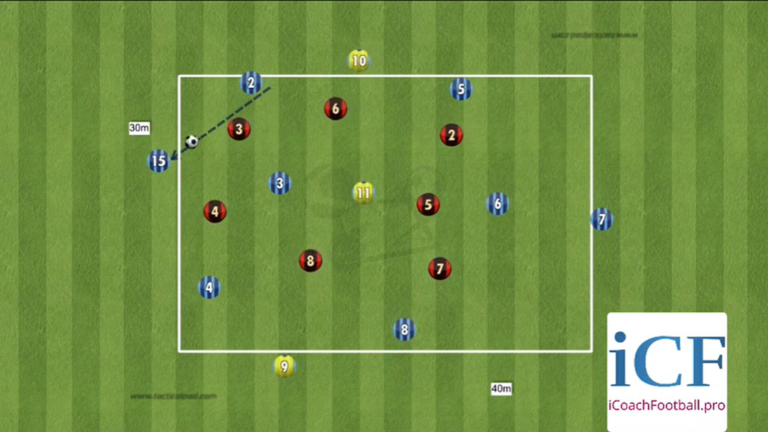
Drill 4: 4v4 Plus Two Neutral Players
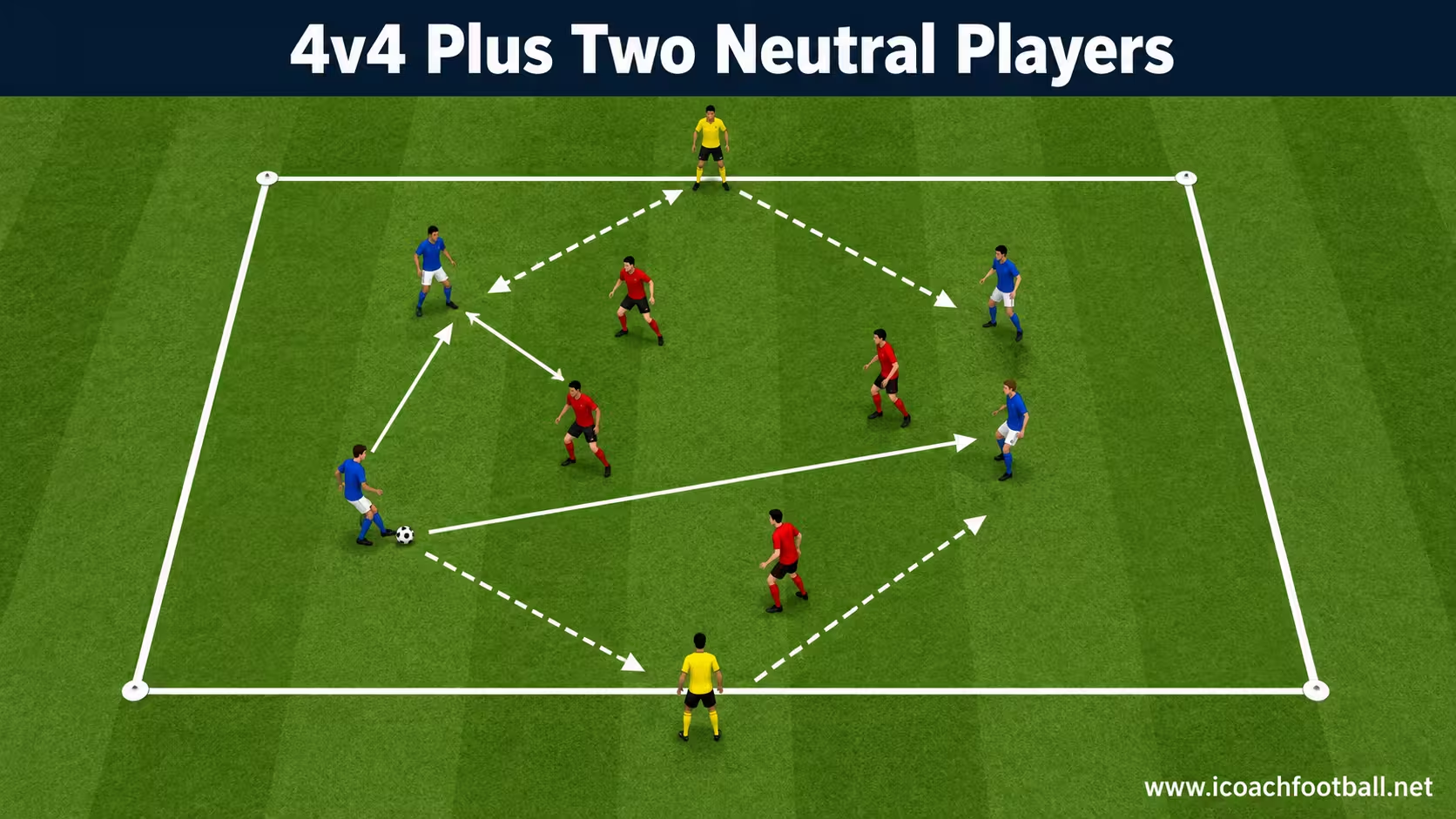
This possession game uses eight central players and two neutrals. The neutrals support whichever team has the ball, creating a 6v4 advantage and helping the activity flow with only one ball.
Setup
- Create a 24 × 18-yard rectangle.
- Divide eight players into two teams of four.
- Position one neutral player on each touchline.
- The neutrals support whichever team has possession.
- Use one ball for the entire activity.
How to Play
- The two teams compete for possession inside the area.
- The neutral players support the team with the ball.
- Six consecutive passes earn one point.
- Using both neutrals during the same possession earns a bonus point.
- When the ball changes teams, the neutrals immediately support the new attacking side.
- Rotate the neutral players every two minutes.
Coach’s note: Central players should create different passing lines instead of surrounding the ball. The neutrals must adjust along the touchline and remain available ahead of or behind the play.
Progressions: Limit neutrals to one touch, limit central players to three touches or award two points for transferring possession from one neutral to the other.
FIFA also uses overload possession formats to help players secure the ball and find solutions under pressure. View FIFA’s tight-space possession practice.
Drill 5: 4v4 End-Zone Possession Game
This directional game uses one ball and two scoring zones. It encourages players to retain possession until a forward passing lane and well-timed run become available.
Setup
- Create a 30 × 22-yard field.
- Add a four-yard scoring zone at each end.
- Divide eight players into two teams of four.
- Use the remaining players as rotating neutrals when necessary.
- No player may wait permanently inside an end zone.
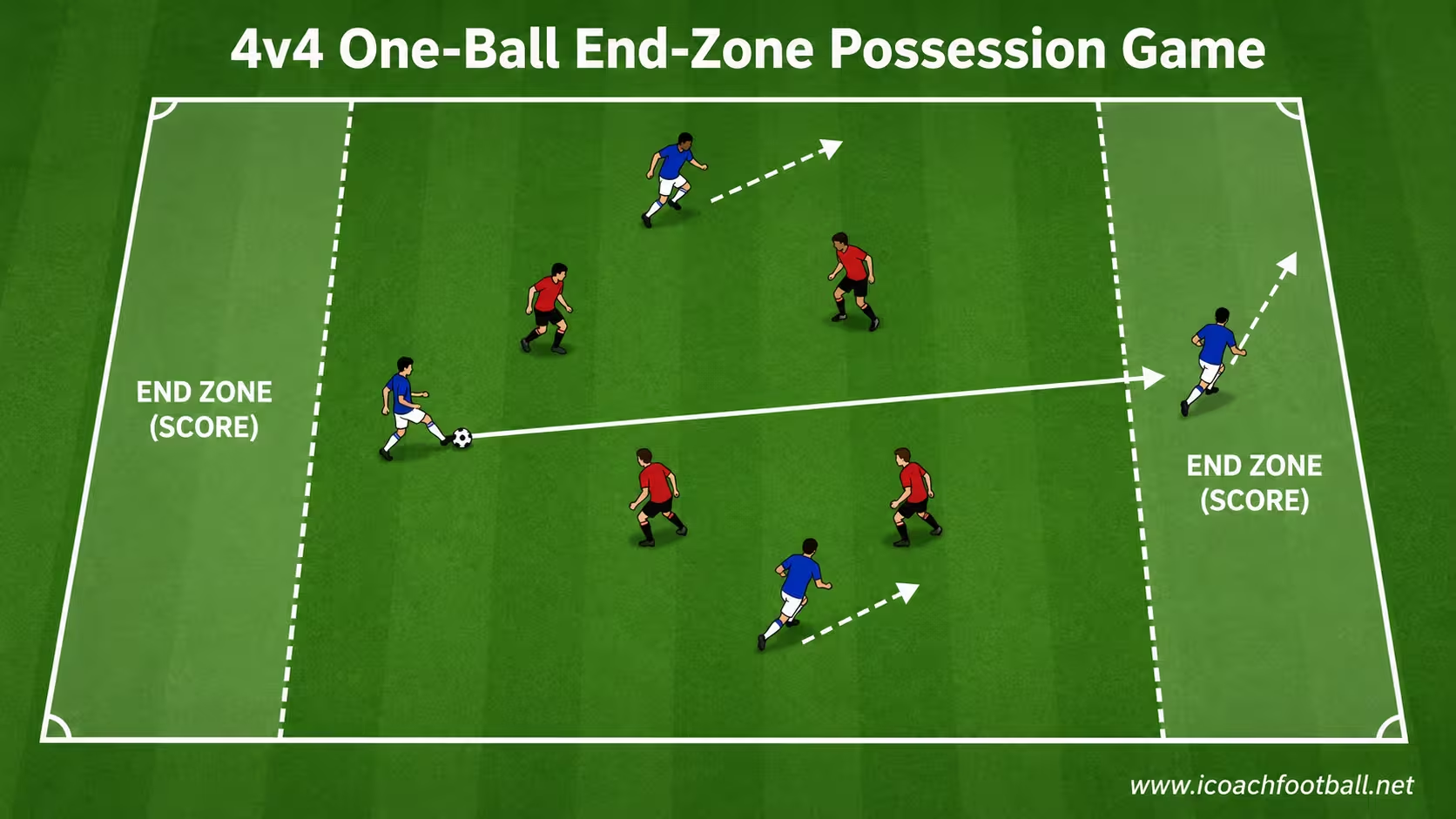
How to Play
- Each team attacks the end zone opposite its starting position.
- A point is scored when a player receives a controlled pass inside the scoring zone.
- The receiver must enter the zone as the attacking move develops.
- After scoring, the opposition immediately receives the ball and attacks the other direction.
- Use kick-ins or dribble-ins when the ball leaves the field.
- The player who sends the ball out retrieves it immediately after the restart.
Coach’s note: The forward run should begin when the passer controls the ball and looks up. Supporting players must remain available underneath when the penetrating option is blocked.
Progressions: Require a one-touch reception, make the final pass travel through a central gate or award two points when a third-player run creates the score.
Drill 6: Continuous 3v2 Transition Game
This activity creates repeated overload and transition moments without requiring a new ball for each attack. After a turnover, the direction changes immediately and the same ball remains in play.
Setup
- Create a 32 × 22-yard field.
- Place one mini goal or cone gate at each end.
- Begin with three attackers against two defenders.
- Position remaining players as rotating end targets or recovery players.
- Use one ball throughout the game.
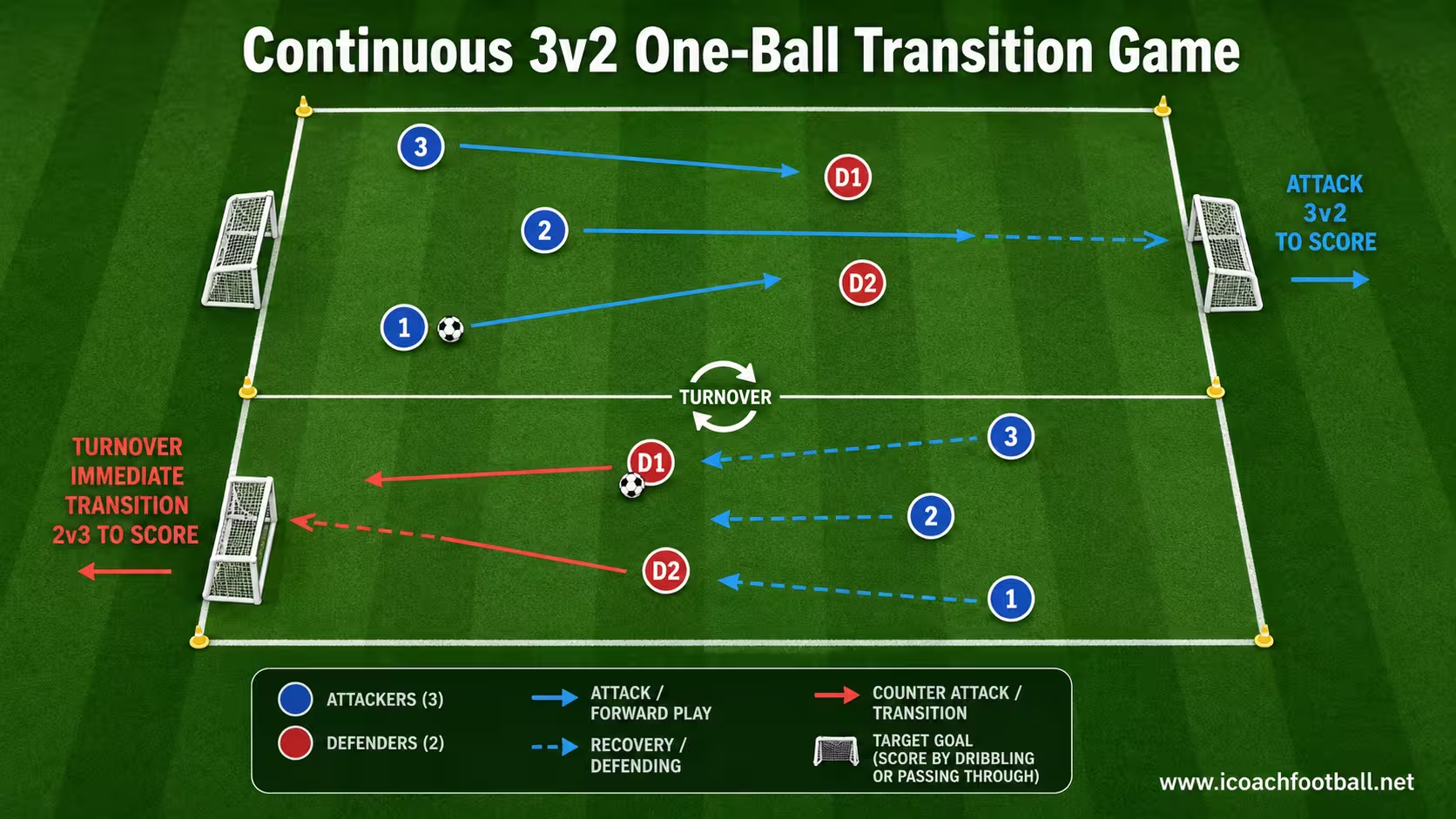
How to Play
- The three attackers attempt to score in the opposite target.
- If the two defenders regain possession, they immediately counter toward the other end.
- The nearest former attacker becomes a recovery defender.
- One player waiting at the opposite end joins the counterattack to create a new 3v2.
- After a goal, the team that conceded restarts immediately with the same ball.
- Rotate players through the starting and recovery positions.
Coach’s note: The first action after winning possession should move away from pressure. Attackers should create width while keeping one supporting option underneath the ball.
Progressions: Add a seven-second scoring limit, require a wall pass before scoring, introduce a second recovery defender or award two points for a goal following a switch of play.
Drill 7: 4v4 Four-Gate Transition Game
This transition game uses four cone gates and one ball. Multiple attacking targets make it easier to keep the ball inside the playing area while encouraging scanning and changes of direction.
Setup
- Create a 32 × 24-yard field.
- Place two three-yard cone gates on each end line.
- Divide eight players into two teams of four.
- Each team attacks the two gates on the opposite end.
- Use one ball and keep the area away from surrounding hazards.
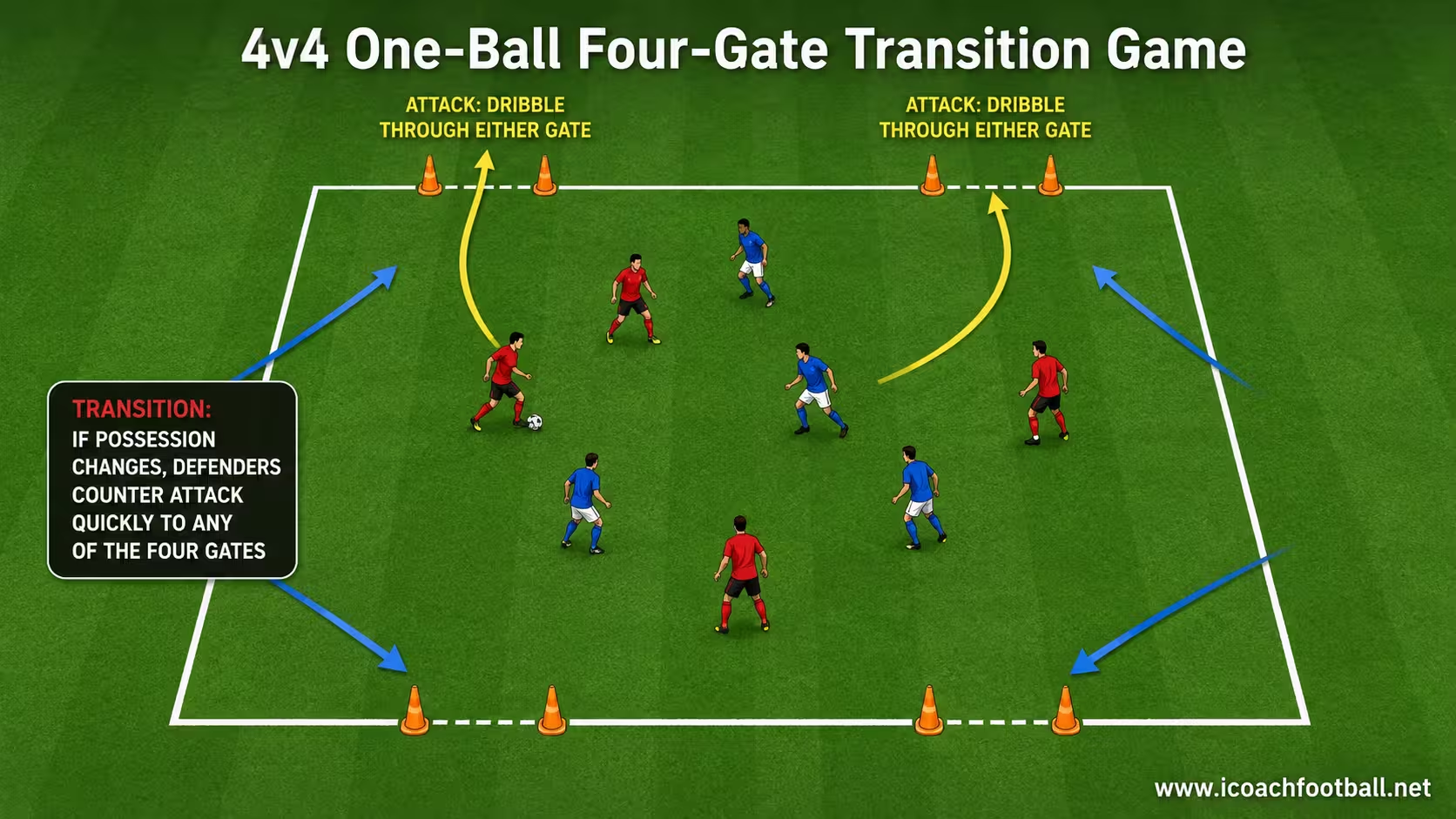
How to Play
- Each team attacks the two gates on the opposite end line.
- A point is scored by dribbling through either gate under control.
- After scoring, the player leaves the ball for the opposition to restart.
- When possession changes, the new team immediately attacks in the opposite direction.
- Use quick kick-ins or dribble-ins when the ball leaves the field.
- Play short rounds of approximately two minutes.
Coach’s note: After regaining possession, players should look forward before the defence reorganizes. Supporting teammates must move toward both sides so the ball carrier can attack either gate.
Progressions: Score by passing through a gate to a teammate, narrow the gates, add a six-second transition limit or award two points for switching play before scoring.
Drill 8: 5v5 One-Ball Match
The final game allows players to apply the session’s technical and tactical ideas. Special restart rules help prevent long delays when the only ball leaves the field.
Setup
- Create a field measuring approximately 38 × 28 yards.
- Divide 10 players into two teams of five.
- Use mini goals, cone gates or end zones.
- Position substitutes close to the halfway line when more players are available.
- Use the one available ball throughout the match.
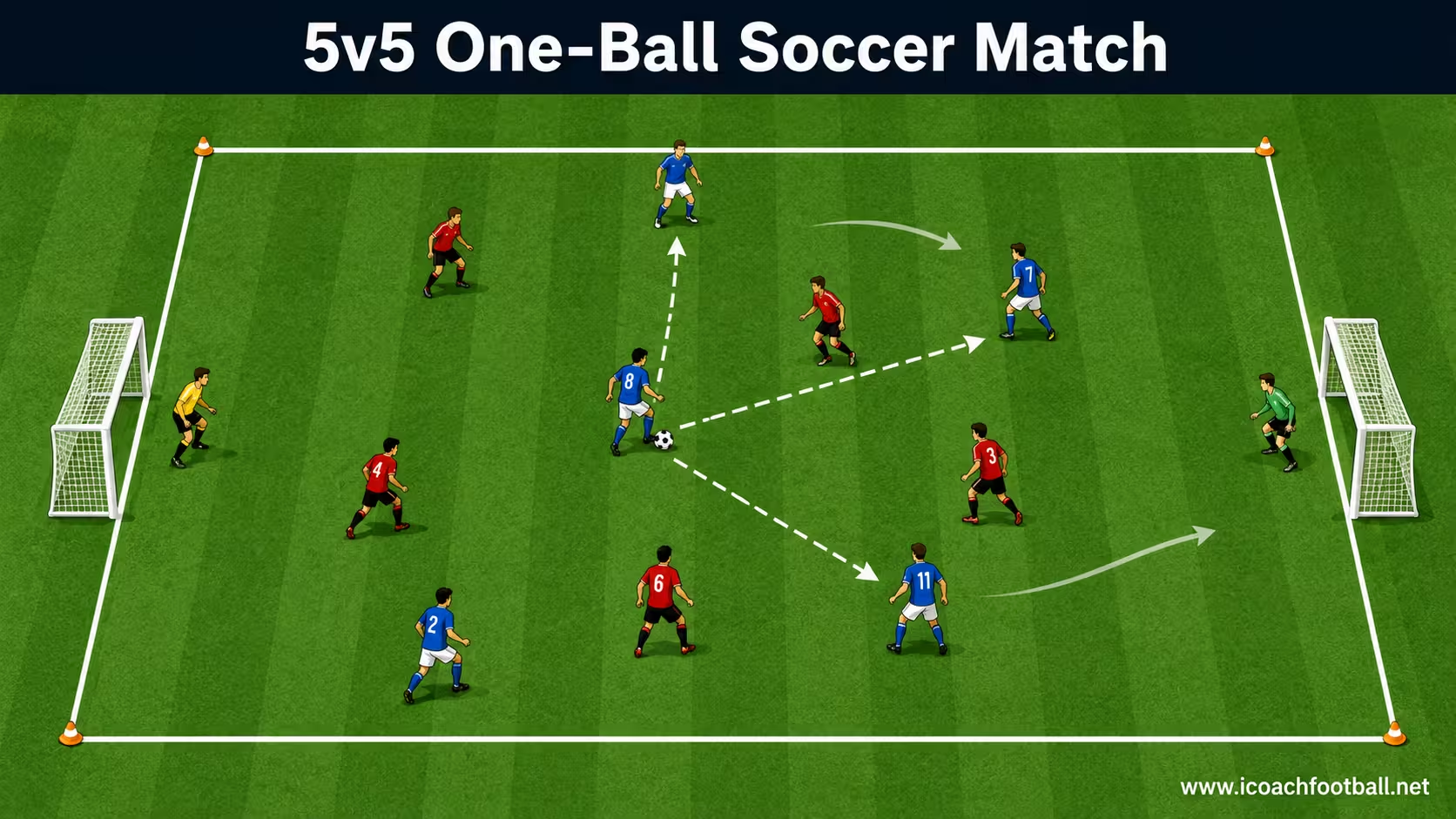
How to Play
- Play normal 5v5 with the selected scoring method.
- Use kick-ins or dribble-ins from the touchline.
- When the ball leaves the area, the responsible player retrieves it immediately.
- The remaining players move into restart positions while the ball is collected.
- After a goal, the opposition restarts without waiting for the coach.
- Play three rounds of approximately two minutes.
- Keep the total score across every round.
Coach’s note: Do not stop every minor error. Allow players to make decisions, solve problems and manage restarts independently whenever possible.
Progressions: Limit players to three touches, award a bonus goal for completing five passes before scoring or give two points for scoring within five seconds of regaining possession.
Find more competitive activities in our small-sided soccer games library.
How to Adapt the Session
When you have six to eight players: Use 3v3, 3v3 plus one neutral or 4v4 formats. Reduce the dimensions and keep the same one-ball restart rules.
When you have more than 12 players: Use rotating neutral players, targets and substitutes. Keep rotations short so every player remains involved.
When you have no goals: Use cone gates, end zones or target players. These scoring methods keep the activity directional without increasing the risk of losing the ball.
When the ball is damaged: Stop the session rather than using an unsafe or badly deflated ball. Replace or correctly inflate it before continuing.
Common Mistakes When Training With One Ball
- Using long shooting exercises: Repeated missed shots can send the only ball far away and reduce active practice time.
- Creating long queues: Use possession and small-sided games so most or all players remain involved.
- Placing the area beside a hazard: Avoid fences, roads, deep vegetation, water or locked spaces where the ball may become difficult to retrieve.
- Stopping after every misplaced pass: Use quick restarts and allow players to recover the ball immediately.
- Leaving transitions unplanned: Prepare the next activity before ending the current drill.
- Allowing one player to retrieve every ball: The player responsible for sending it out should collect it while teammates reset.
- Using an unsuitable ball: Check the pressure, surface and condition before the session begins.
Frequently Asked Questions
Can I run a complete soccer practice with only one ball?
Yes. Use continuous passing exercises, rondos, possession games, transition activities and small-sided matches that keep the same ball active throughout the session.
What are the best soccer drills with one ball?
Effective options include pass-and-follow circuits, rondos, neutral-player possession games, end-zone activities, continuous overload games and conditioned small-sided matches.
How do I avoid long lines when there is only one ball?
Use activities in which several players support, defend or move around the ball. Avoid isolated shooting exercises where most participants wait for a turn.
What happens when the only ball leaves the field?
The responsible player should retrieve it immediately while teammates move into restart positions. Mark the field away from hazards so the ball can be collected quickly.
Can players practise finishing with one ball?
Yes. Use close-range mini goals, narrow cone gates, end zones or controlled receiving areas to reduce long ball retrievals.
How many players can join this one-ball session?
The session works best with approximately 8–12 players. Smaller groups can use 3v3 or 4v4, while larger groups can include rotating neutrals, targets and substitutes.
How long should a one-ball soccer practice last?
A complete practice can last approximately 60 minutes. Plan short transitions, quick restarts and activities that keep most players continuously involved.
Continue the practice-plan series: Save this one-ball session and compare it with our small-space drills, indoor soccer session and practice without goals.