
Coaching Positional Soccer: Perfecting Tactics and Skills
Phases of Play: Understanding Team Challenges
In soccer, the understanding of the distinct phases of play is crucial for developing effective tactics and enhancing team performance. There are 15 recognized phases of play, each commanding specific strategies that directly influence how a team operates on the field. Identifying these phases not only aids coaches in formulating training sessions but also enhances players’ capabilities to respond to real-game scenarios.
The first phase is a build-up play, where teams transition their possession from defense to midfield. This phase tests the players’ ability to maintain composure under pressure while making intelligent passing decisions. It is essential for coaches to instill confidence in players to execute this phase efficiently as it sets the foundation for further attacks. Next, the phase of penetration focuses on exploiting weaknesses in the opposing defense. This often involves decisive movements off the ball and coordinated runs to create goal-scoring opportunities.
In other phases, such as recovering possession, teams must work cohesively to regain control after losing the ball. This phase emphasizes the necessity of teamwork and communication. Coaches should emphasize the significance of quick transitions, as well as tactical awareness, to facilitate effective presses against opponents. Conversely, during the maintenance of possession phase, players are challenged to retain control and exploit spaces, relying heavily on passing accuracy and spatial awareness.
As the game progresses into the final third, the attacking phase becomes the focal point where creativity and adaptability are vital. Coaches should encourage players to be unpredictable and to use a variety of offensive strategies to dismantle defensive structures. Understanding these phases equips coaches and players with the knowledge required to adjust and refine their strategic approach throughout the match, thereby enhancing overall team dynamics and performance.
Coaching Elements: Key Components for Effective Training
Coaching soccer effectively requires the integration of various essential components that contribute to a successful training environment. Understanding these elements can significantly enhance both player development and overall team performance. The following outlines 15 key components that coaches should prioritize.
1. Communication: Clear, concise communication ensures that players understand the objectives and tactics. Encouraging an open dialogue fosters trust and promotes learning.
2. Player Assessment: Regular evaluations help identify strengths and weaknesses, allowing for personalized development plans that cater to individual growth.
3. Goal Setting: Establishing measurable and attainable goals aligns the team’s vision and promotes motivation among players.
4. Technical Skills Development: Emphasizing the fundamentals, such as passing, dribbling, and shooting, ensures that players are well-equipped to perform in matches.
5. Tactical Understanding: Coaches should teach game strategies to enhance players’ decision-making abilities on the field, fostering a deeper understanding of positional play.
6. Physical Fitness: Incorporating conditioning drills contributes to players’ stamina and overall physical health, which is vital for maintaining performance levels during matches.
7. Mental Resilience: Developing mental fortitude enables players to handle pressure and setbacks, creating a more robust team mentality.
8. Adaptability: Coaches must adapt their methods to accommodate different skill levels and learning styles, ensuring each player can thrive.
9. Team Cohesion: Fostering a strong sense of unity within the team promotes collaboration and support among players, both on and off the field.
10. Feedback Mechanisms: Providing constructive feedback helps players understand their progress, reinforcing learning and skill acquisition.
11. Resource Utilization: Utilizing training aids and technology enhances skill development and tactical training efficiency.
12. Practice Routines: Structuring effective practice sessions maximizes training time and ensures comprehensive development.
13. Encouragement of Creativity: Allowing players to express themselves fosters creativity and spontaneity in their gameplay.
14. Injury Prevention: Educating players on injury prevention techniques promotes long-term health and performance sustainability.
15. Community Engagement: Building relationships with the community encourages strong support systems and fosters a positive environment for players.
In conclusion, these coaching elements are integral to creating a holistic training regime that not only promotes skill mastery but also encourages personal and team development. By focusing on these components, coaches can effectively shape their players into well-rounded athletes, ready to perform at their best.
Player Principles: Establishing a Winning Mindset
In positional soccer, the development of a winning mindset is integral to both individual player growth and the overall success of the team. Establishing core player principles guides athletes in their decision-making and influences their behavior on the field, forging a cohesive unit that understands roles and responsibilities. When players embody these principles, they not only enhance their tactical prowess but also improve team dynamics.
One of the fundamental principles is accountability. Players must take responsibility for their actions during matches and training. This not only fosters trust among teammates but encourages a culture of self-improvement. Coaches can instill this concept by promoting a review process where players assess their performances candidly. In this way, they learn to recognize their strengths and weaknesses, allowing for targeted areas of development.
Another core principle is communication. Effective communication is paramount in positional soccer, where understanding one another can mean the difference between a successful play or defensive breakdown. Coaches can emphasize this by designing drills that require players to verbalize their intentions and decisions. For instance, using small-sided games can enhance players’ ability to communicate under pressure, encouraging them to share insights about positioning and movements.
Additionally, instilling a strong work ethic is crucial. Players should always strive for improvement, pushing themselves both physically and mentally. This principle can be reinforced through setting achievable goals, offering feedback, and celebrating incremental progress. By fostering a collective mindset that values hard work, players are more likely to commit to the team’s objectives and realize the importance of training beyond just physical conditioning.
In conclusion, establishing these core player principles is essential for cultivating a winning mindset in soccer. Coaches play a pivotal role in imparting these values, ensuring that players not only grasp the physical aspects of the game but also develop a robust mental framework that supports their growth and success on the field.
Practice Planning: Structuring Successful Training Sessions
Effective practice planning is a pivotal element in coaching positional soccer, ensuring that each training session is purposeful and constructive. A well-structured plan not only enhances player development but also facilitates the attainment of defined coaching objectives. The foundation of creating a successful practice plan lies in its organization. Coaches should begin by outlining clear goals for each session, identifying specific skills, tactics, and overall themes to focus on. This strategic approach enables players to understand the purpose of their training, allowing them to engage more fully in the learning process.
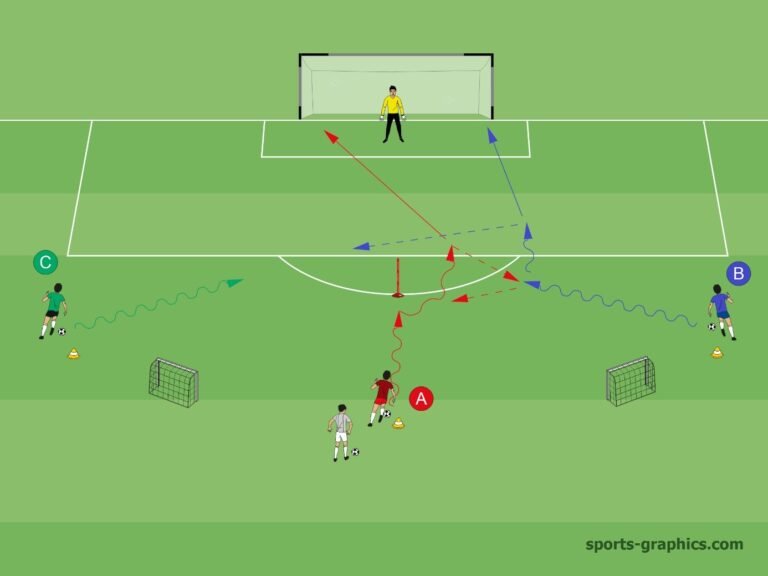
Addressing the practice planning dilemma often involves balancing various elements such as skill development, tactical understanding, and physical conditioning. Coaches should prioritize essential topics in line with the ongoing season’s objectives. Incorporating phases of play is crucial, as it provides players with the opportunity to practice their skills in game-like scenarios. Each training session should ideally include warm-up activities, skill drills, tactical discussions, and small-sided games, culminating in a review and reflection period. This format not only aids in skill reinforcement but also enhances players’ tactical awareness, essential for positional soccer.
A comprehensive template can help streamline practice planning. Coaches often start with a warm-up segment to prepare players physically and mentally. This is followed by specific skill drills aimed at enhancing individual capabilities. Coaches should then introduce tactical drills that apply these skills in collaborative situations. Small-sided games come next, where players can implement their newfound skills and tactics within a competitive yet controlled environment. Finally, concluding each session with a reflective discussion not only fortifies learning but also fosters communication among players. By systematically structuring training sessions, coaches can facilitate a deeper understanding of the game, ultimately leading to improved performance on the field.
Take a look in more details in this book: